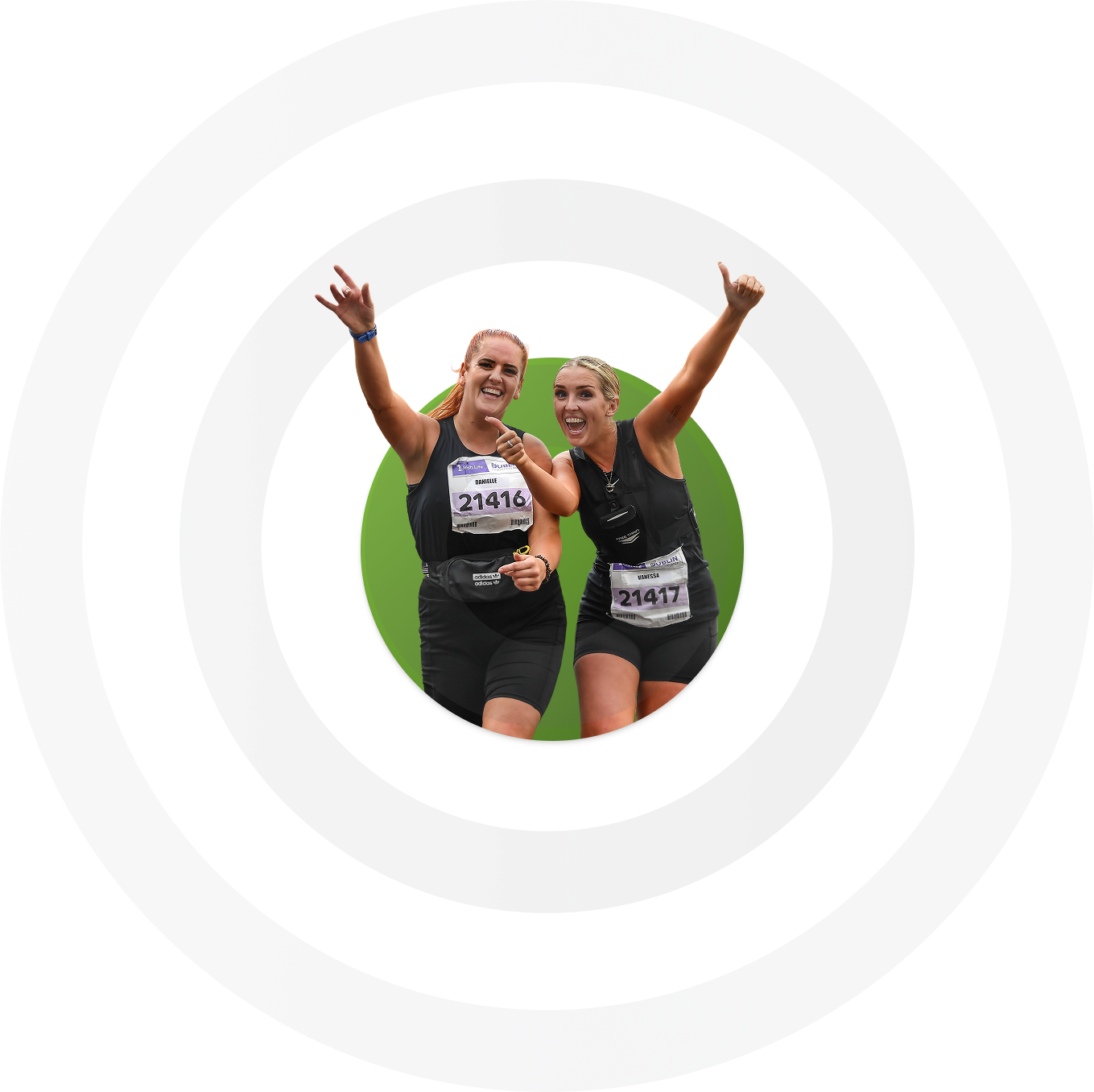
The runners who succeed aren’t the ones with the perfect gear or the fastest starting pace; they’re the ones who nail the fundamentals.
1. Master Easy Running
It may sound like a simple running tip, but try to remember that easy means exactly that - easy! These runs should feel super comfortable and low effort, and if they don’t, it means you’re pushing yourself too much. Slowing down builds your aerobic base more effectively than pushing every session.
2. Respect Recovery
Rest days aren’t lazy, they’re one of the most important parts of any plan. Rest days are where the magic happens; muscles repair themselves, fitness adaptations are made, and energy systems reset. Recovery is training; treat it like that.
3. Long Runs Are Key
The weekly long run is the backbone of your plan. Even if other sessions wobble due to life chaos (because it will happen), anchor your week around getting that long run done. Distance first, pace later.
Half Marathon Training FAQs
What if I miss a run?
Nothing breaks.
Remember, one missed run does not ruin a half marathon training block.
The golden rule: don’t try to cram in or make up for missed mileage. Sure, if you need to move things around to fit your schedule, that’s fine, but what you don’t want to do is cram all your harder or longer runs really close together. Just jump back into your plan, focus on your next session, and keep moving forward.
Can I train for a half marathon in less than 12 weeks?
Yes, but this really depends on your starting point.
- 8 weeks if you’re already running 3–4 times a week
- 6 weeks if you have a strong running base
- 4 weeks or less only if you’re an experienced runner (and even then, that’s not really enough time to make any
improvements or gain fitness.)
But for most runners, sticking to the 12 week training plan is the safer bet.
Do I need to run every day?
Nope. For the majority of runners, this is totally unrealistic and not sustainable in the long term. Most realistic plans include:
- 3 – 4 running days
- 1 – 2 strength/mobility sessions
- 1 – 2 rest days
And just remember, quality beats quantity every time.
How long should my longest long run be?
Typically 10 - 12 miles (16–19 km). But again, this can depend on your experience and also your time goal. But for most runners, you don’t need to run the full 13.1 before race day, your taper and race day adrenaline will carry you!
Should I follow a structured 12-week half marathon plan?
Absolutely. A structured marathon training plan keeps you accountable, ensures smart progression, and removes the guesswork. This is why we are proud to be partnered with Runna, who provide personalised, adaptable training plans for any event, distance or goal.
Final Thoughts
Training for a half marathon takes commitment, consistency, and a bit of stubbornness, but it’s absolutely achievable. With 12 weeks of focused training, smart pacing, and a mindset built around progress rather than perfection, you’ll arrive at the start line strong, calm, and ready.
And if you’re not sure where to start? Download Runna today and use the code REALBUZZRUNNA1 to claim your 2 week free trial, and get your half marathon training off to the best start.

.webp)